Signs of Water Damage in Walls: Miami Restoration Tips | Miami Wall Repair
Water damage in walls often starts invisibly, leading to structural issues, mold growth, and costly repairs in Miami, Florida apartments and homes. Recognizing early signs allows for prompt restoration, preventing health hazards and preserving property value. Miami Wall Repair specializes in fast, reliable wall restoration tailored to Miami's unique challenges like hurricanes, high humidity, and flooding.
Common Signs of Water Damage
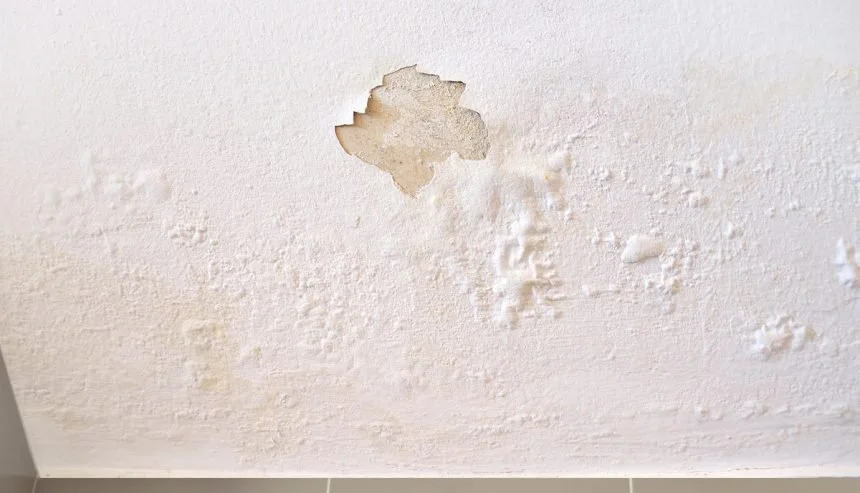
Walls affected by water show several telltale indicators that demand immediate attention. Discoloration appears as yellow, brown, or grayish stains, often bubbling or peeling paint due to moisture trapped beneath surfaces. These spots expand over time, signaling leaks from pipes, roofs, or humidity in humid coastal spaces.
Soft or warped drywall represents another critical sign, where pressing a finger leaves an indent, indicating weakened material saturation. In humid Miami basements or bathrooms, this progresses quickly, fostering mold behind visible layers. Musty odors emerge next, a damp smell persisting despite ventilation, hinting at hidden water intrusion.
Bowing or bulging walls indicate severe structural compromise, especially in older Miami bungalows common across areas like Coconut Grove and Little Havana. Cracks form around door frames or baseboards as moisture swells materials unevenly. Increased allergies or respiratory issues in residents often correlate with these signs, as mold spores release into the air.
Causes in Miami Environments
Miami's tropical climate accelerates water damage through specific local factors. Leaky pipes in older concrete block homes, stressed by high water pressure and corrosion from salty air, drip steadily into walls, creating slow-building saturation unnoticed for months. Heavy rains and hurricanes overwhelm drainage systems, forcing water up through foundations in flood-prone areas like Miami Beach or Hialeah.
Poor ventilation in waterfront condos traps steam from cooking or showers, condensing on exterior walls amid constant humidity. Roof leaks from clogged gutters, worsened by palm fronds and storm debris, seep into interiors. Appliance failures, such as AC condensate lines clogging in sweltering heat, flood walls rapidly.
Condensation from poor insulation ranks high in causes, where hot humid outdoor air meets cooled indoor AC, forming dew-like moisture inside cavities. These issues compound in condo buildings, where shared walls delay detection until neighbors report problems.
Step-by-Step Detection Process
Homeowners should systematically inspect walls monthly, focusing on high-risk zones. Start visually, scanning for stains or discoloration from floor to ceiling, using a flashlight to reveal subtle shadows. Tap walls gently; a hollow sound suggests moisture softening the core, unlike solid drywall resonance.
Cut small test holes in inconspicuous spots if stains persist, wearing gloves and a mask to check for dampness or black mold. Employ a moisture meter, available at hardware stores, to quantify water levels—readings above 17% confirm damage. In Miami rentals, document findings with photos for landlords, adhering to local housing codes.
Examine adjacent areas like windowsills and baseboards for swelling wood, and sniff for persistent mustiness. Professional infrared cameras detect hidden moisture patterns without demolition, ideal for thorough assessments before insurance claims.
Immediate Restoration Steps
Act swiftly upon detection to minimize damage. First, stop the water source—shut off valves for leaks or call plumbers for pipe bursts common in Miami's corrosion-prone plumbing. Remove standing water with wet vacuums, ventilating spaces with fans to accelerate drying.
Cut out affected drywall sections using a utility knife, bagging debris to prevent mold spore spread. Dry cavities with dehumidifiers running 48-72 hours, aiming for below 50% humidity. Apply antimicrobial treatments to kill mold, wearing respirators for safety.
Replace sections with moisture-resistant greenboard or cement board, taping and mudding seams smoothly. Prime with mold-inhibiting paint for lasting protection. In multi-unit buildings, notify management to inspect shared walls, complying with Miami-Dade building codes.
Miami-Specific Restoration Tips
Miami's climate and regulations shape effective restoration strategies. Prioritize breathable materials like fiberglass insulation to prevent trapping moisture in humid conditions year-round. For flood-prone zones near Biscayne Bay, elevate electrical outlets and use waterproof sealants on baseboards.
Navigate insurance nuances carefully—many Florida policies cover hurricane damage but exclude gradual leaks, so document everything meticulously. Hire IICRC-certified pros familiar with local codes, ensuring compliance with Miami-Dade permits for structural work in coastal districts.
Combat constant humidity by using dehumidifiers post-restoration, reducing mold regrowth risks. In condos, coordinate with associations for access to pipe chases, preventing recurrence from neighbor leaks. Opt for low-VOC paints to meet air quality standards in tightly sealed high-rises.
Prevention Strategies for Walls
Proactive measures safeguard Miami walls long-term. Install leak detectors near water heaters and under sinks, alerting via apps before damage spreads. Seal cracks around windows and doors with silicone caulk, blocking rainwater entry during tropical storms.
Maintain gutters quarterly, clearing debris from flat roofs to divert runoff. Use exhaust fans in kitchens and baths, venting outdoors to expel steam. Insulate cold AC lines to eliminate sweating, a frequent culprit in hot climates.
Annual professional inspections prove invaluable, especially in condos where issues lurk in party walls. Monitor humidity with hygrometers, keeping levels 30-50% via dehumidifiers. Educate household members on spotting early signs, fostering quick reporting.
Health and Structural Risks
Ignoring signs escalates dangers significantly. Mold thrives in damp walls, releasing mycotoxins that trigger asthma, allergies, and respiratory issues, particularly affecting children and elderly in Miami's dense populations. Rot compromises studs, risking collapses during storms.
Electrical hazards arise as water contacts wiring, sparking shorts or fires in humid systems. Property values plummet with untreated damage, complicating sales in competitive markets like South Beach. Health departments may condemn units with visible mold, displacing residents amid housing shortages.
Timely intervention by experts like Miami Wall Repair averts these outcomes, restoring safety and integrity efficiently.
Cost Factors and Insurance
Restoration expenses vary by severity in Miami. Minor drywall patches cost $500-$1,500, while full-room overhauls with mold remediation reach $5,000-$20,000. Factors include labor rates (higher in South Florida), material choices, and access challenges in high-rises requiring scaffolding.
Insurance often reimburses 70-100% for covered perils like storms, but deductibles apply—averaging $1,000. File claims promptly with photos and contractor estimates. Miami Wall Repair provides detailed invoices streamlining processes.
Budget for prevention too; detectors cost $50 each, far below repair bills. Compare quotes from licensed locals to secure value.
Why Choose Miami Wall Repair
Miami Wall Repair excels in water damage restoration, leveraging 20+ years serving South Florida from Miami Beach to Coral Gables. Technicians arrive 24/7, equipped for rapid drying and precise wall rebuilding. Customer reviews praise thoroughness and minimal disruption in busy coastal lives.
Services extend beyond walls to full flood recovery, using state-of-the-art tools for undetectable finishes. Licensed, insured, and bonded, the team navigates condo boards and HOAs seamlessly.
Facing water damage? Contact Miami Wall Repair now at 305-699-3538 for fast, professional restoration in Miami.
For commercial drywall projects in Miami, our team also handles commercial drywall installation, framing, and repair for offices, retail spaces, and multi-unit properties across Miami-Dade County.